San Antonio PGA Summit: Wright Balance® 2/10/26
David F. Wright, Ph.D., PGA & Jim Nittoli, PGA
Copyright, Wright Balance® 2026
These eBooks are for your review following this seminar:
- This eBook shows PGA Tour players and the Core Zone that matches their Swing
The Three Swings of Wright Balance®
https://instructions.wrightbalance.com/the-three-swings-of-wright-balance/
- This eBook is an overview of how to determine Grip Size by Core Zone. Grip size changes heel to toe balance. Even if a player knows their Core Zone Dominance and what their matching swing elements are, an incorrect grip size will compromise balance changing path and performance.
Grip Sizing
https://instructions.wrightbalance.com/grip-sizing-by-core-zone/


The Three Core Zones 2016
This illustration is of 3 Core Zones with 3 subregions in each Zone. Currently (2026) there are 11 subregions in each of the 3 Zones. STILL, each person has only ONE "Dominant Core Zone"

Balance By Core Zone
-
Remove All Rings & Tape on Fingers, Toes and band-aids Before Testing,
-
Inquire about neck, shoulder, back, wrist, etc injuries. If yes, there is an alternate test shown at the end of this overview
How to Test
If your player has no neck or shoulder issues, this is a simple test to use in each of the 8 inch Performance Zone Stance Widths
Use an alignment stick to stand on and note your balance in the stance width of demonstrated strength as illustrated by the feet imprints on a balance mat. You will note that your hips square only in your 8 inch Stance Range of your demonstrated power
Upper Core (8 - 16 inches plus or minus 1 inch)
Test first at 10 to 14 inch stance width. If power, test to find absolute 8 inch performance range plus or minus one inch as shown in the video demonstrating how to test.

How to Test Video Review
>Use 8 to 16 inch Stance Width Range for Testing


If this is your stance width Zone of Power, add knee flex within the 8 to 16 inch range and you will note that your balance is over the BALLS OF YOUR FEET. Note that if you stand wider than 16 inches or narrower than 8 inches (plus or minus one inch) that your weight moves forward in one foot and back in the other.
Use an alignment stick to stand on and note your balance over the balls of your feet as shown by the feet imprints on a balance mat in the above illustrations. You will note that you stay balanced & your hips remain square only between 8 & 16 inches plus or minus 1 inch
Middle Core (16 - 24 inches plus or minus 1 inch)
Test first at 18 inch stance width due to overlapping stance Widths . If power, test to find absolute 8 inch performance range plus or minus one inch (16 to 24 inches) as shown in the video demonstrating how to test.

How to Test Video Review
Use 16 to 24 inch Stance Width Range for Testing


If this is your stance width Zone of Power, add knee flex within the 16 to 24 inch range and you will note that your balance is just behind the BALLS OF YOUR FEET and Forward of the CENTER OF YOUR ARCHES. Note that if you stand NARROWER than 16 inches or WIDER than 24 inches (plus or minus one inch) that your weight moves forward in one foot and back in the other.
Use an alignment stick to stand on and note your balance just behind the balls of your feet and just forward of the center of your arches as shown by the feet imprints on a balance mat in the above illustrations. You will note that you stay balanced & your hips remain square only between 16 & 24 inches plus or minus 1 inch
Lower Core (20 - 28 inches plus or minus 1 inch)
Test first at 26 inch stance width due to overlapping stance Widths with Middle Core. If power, test to find absolute 8 inch performance range plus or minus one inch (20 to 28 inches) as shown in video demonstrating how to test.

How to Test Video Review
Use 20 to 28 inch Stance Width Range for Testing


If this is your stance width Zone of Power, add knee flex within the 20 to 28 inch range and you will note that your balance is OVER the CENTER OF YOUR ARCHES. Note that if you stand NARROWER than 20 inches or WIDER than 28 inches (plus or minus one inch) that your weight moves forward in one foot and back in the other.
Use an alignment stick to stand on and note your balance is over the center of your arches as shown by the feet imprints on a balance mat in the above illustrations. You will note that you stay balanced & your hips remain square only between 20 & 28 inches plus or minus 1 inch
Dominant Core Zone
Each of us has one Dominant Zone You just experienced your Dominant Zone if you participated in this exercise. Each Dominant Zone has:
- A predictable left and right hand Grip
- A predictable Stance Width Range (PSR)
- A predictable Sequence of Motion
- A predictable Posture
- A predictable amount of foot flare for maximum ground reaction force
- A predictable point of heel to toe balance in the predictable Stance Width Range (PSR)
History
1992


1995

1998

2000 - 2006
Dr. Frank Jobe's Biomechanics Lab (Tommy John Surgery) at Centinela Hospital, Los Angeles
- Four (4) Biomedical Technicians
- Frank Jobe, MD Orthopedic Surgeon to LA Dodgers & Centinela Medical Van for PGA Tour
- Michael Melman, MD, Internist / Team Physician for the LA Dodgers
- Robert Watkins, MD Orthopedic Surgeon (Spine Surgeon) consultant to PGA Tour
- James M. Smith Biophysicist
- David F. Wright, Ph.D.,PGA Balance Researcher wrote research protocols and did the data analysis
1000 Force Sensors in each shoe
75 distinct captures
4 different 6 iron grip Sizes for each player as measured by hand size (6 irons provided by Cleveland Golf)
4 different putter grip Sizes for each player as measured by hand size (putters provided by Cleveland Golf)
Insole for Force Sensors

Force Sensor Insoles were Teathered to the Lab Computer for Capture


Lines of Force
Able to predict club path through impact with one of the these three lines of force: Downswing Club Path (DCP)


PGA Tour Player Kevin Stadler


Sandra Palmer, LPGA Tour Player & Golf Hall of Fame

Core Zones
2009
3 Core Zones with 3subregions in each Zone. Each of the 3 subregions is recruited by Stance Width.
Balance Mat with 1000 sensors under each foot (Tech Scan) & continued testing Core Zones...

...and Grip Size

2017
European PGA Tour Player Colin Montgomerie
Inside his Performance Stance Range(8 to 16 inches) putter is square

Wider than his Performance Stance Range (17 inches)& putter face closes

2020
3 Core Zones with 5 subregions in each Zone. Each subregion is recruited by stance Width

2025 - 26
3 Core Zones with 11 subregions in each Zone. Each subregion is recruited by stance Width
Illustration Pending
Grip Sizing
Measurement History


Grip Size is Measured in thousandths of an Inch (mils) 1 mil= 1 thousandth of an inch
**This image shows a grip size of 875 mils on a standard grip. Wright Balance measures to the middle finger of the lead hand. Industry standard is to measure 2 inches down from the butt.

Putter Grip Size is Larger than irons and woods

Testing Grip Size with LPGA Tour Player, Laurie Rinker

This Grip Does Not Fit Laurie

Testing Laurie with a Grip that Fits Her Hand Size

Bob E Smith Grips Too Small

PGA Tour Player Bob E Smith with Grips that Fit

Players Who Increase Grip Size
Bryson DeChambeau

Bubba Watson
Plus 12 /14 wraps Masters 2012 2014
Retief Goosen
Jumbo / OverSize plus 7 Extra Wraps wraps
Won the US Open 2001 & 2004
Tony Finau
13 Extra Wraps
Scottie Scheffler
6 Extra Wraps
Bryson Dechambeau
Jumbo Max
Dennis Paulson
Standard with 6 extra wraps under right hand...90s before no taper grips
Kevin Stadler

Players Who Grip Down on the Club
Anthony Kim


Brooke Henderson

Tommy Fleetwood

Balance By Core Zone
Upper Core (8 - 16 inches plus or minus 1 inch)
Middle Core (16 - 24 inches plus or minus 1 inch)
Lower Core (20 - 28 inches plus or minus 1 inch)
The Impact of Grip Size by Core Zone
Bob E Smith (Upper Core)
Playing Grip Size
Too Small a Grip
Grip Size Too Small


Grip Size Too Big


Balance Summary by Core Zone

Tape on Middle & Lower Core Power Spots on Trail Hand (remove rings on lead hand)= Square hip line from 0 inches to 36 inches with equal power in all stance widths

Tape on Upper and Lower Core Power Spots on Trail Hand (remove rings on lead hand)= Square hip line from 0 inches to 36 inches with equal power in all stance widths
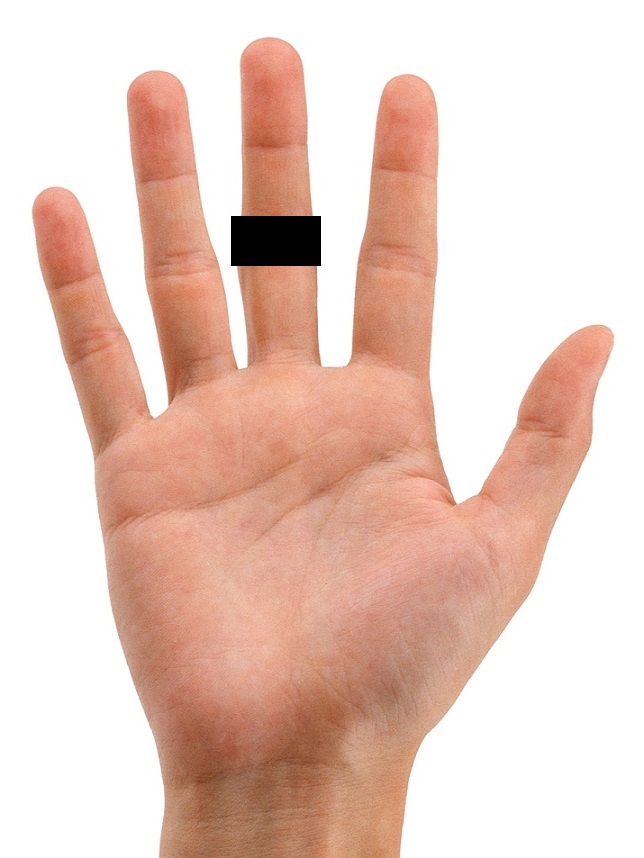
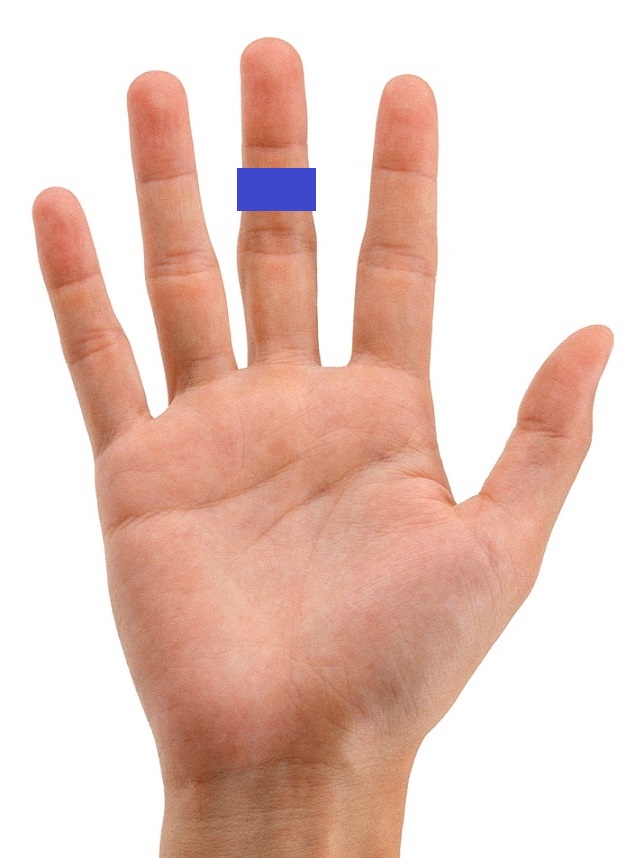
Tape on Middle & Upper Core Power Spots on Trail Hand (remove rings on lead hand)= Square hip line from 0 inches to 36 inches with equal power in all stance widths
NOTE: If your student has a neck or shoulder injury and you can't test their Power by Core Zone, this video demonstrates testing 8 inch stance range with a bar on the person's hips. In this video, the 8 inch range tested is an Upper Core Player.
*>If your player has no neck or shoulder issues, this is a simple test to use in each of the Performance Zone Stance Widths (Upper Core 8 to 16 inches; Middle Core 16 to 24 inches & Lower Core 20 t 28 inches). Each of the stance ranges is plus or minus 1 inch on both ends of the 8 inch range.